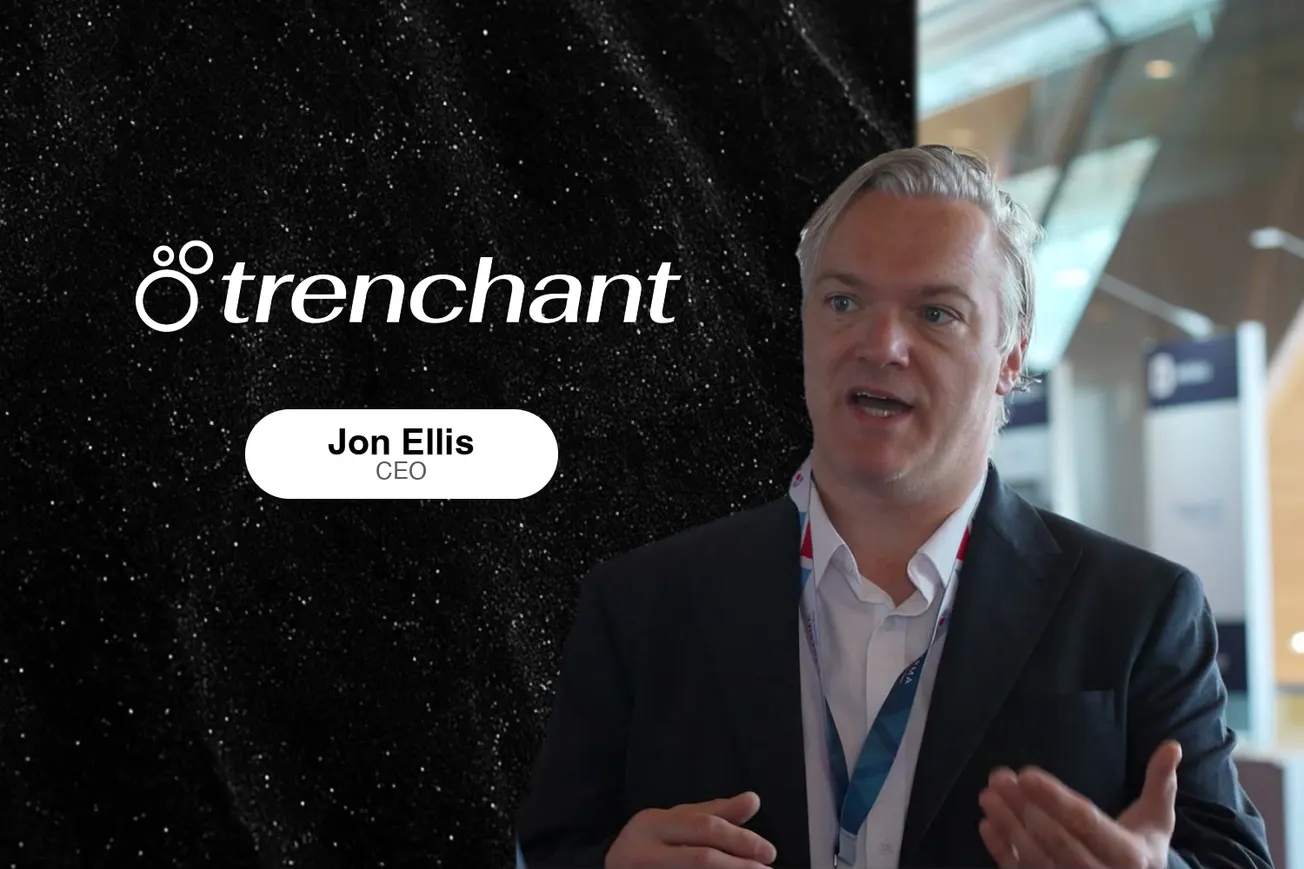
Jon Ellis, CEO, Trenchant BioSystems | Onyx Live | ISCT Dublin 2026
Fewer than 10% of eligible CAR-T patients ever get treated. Trenchant BioSystems CEO Jon Ellis says the bottleneck is no longer the science – it's manufacturing.
Fewer than 10% of eligible CAR-T patients ever get treated. Trenchant BioSystems CEO Jon Ellis says the bottleneck is no longer the science – it's manufacturing.
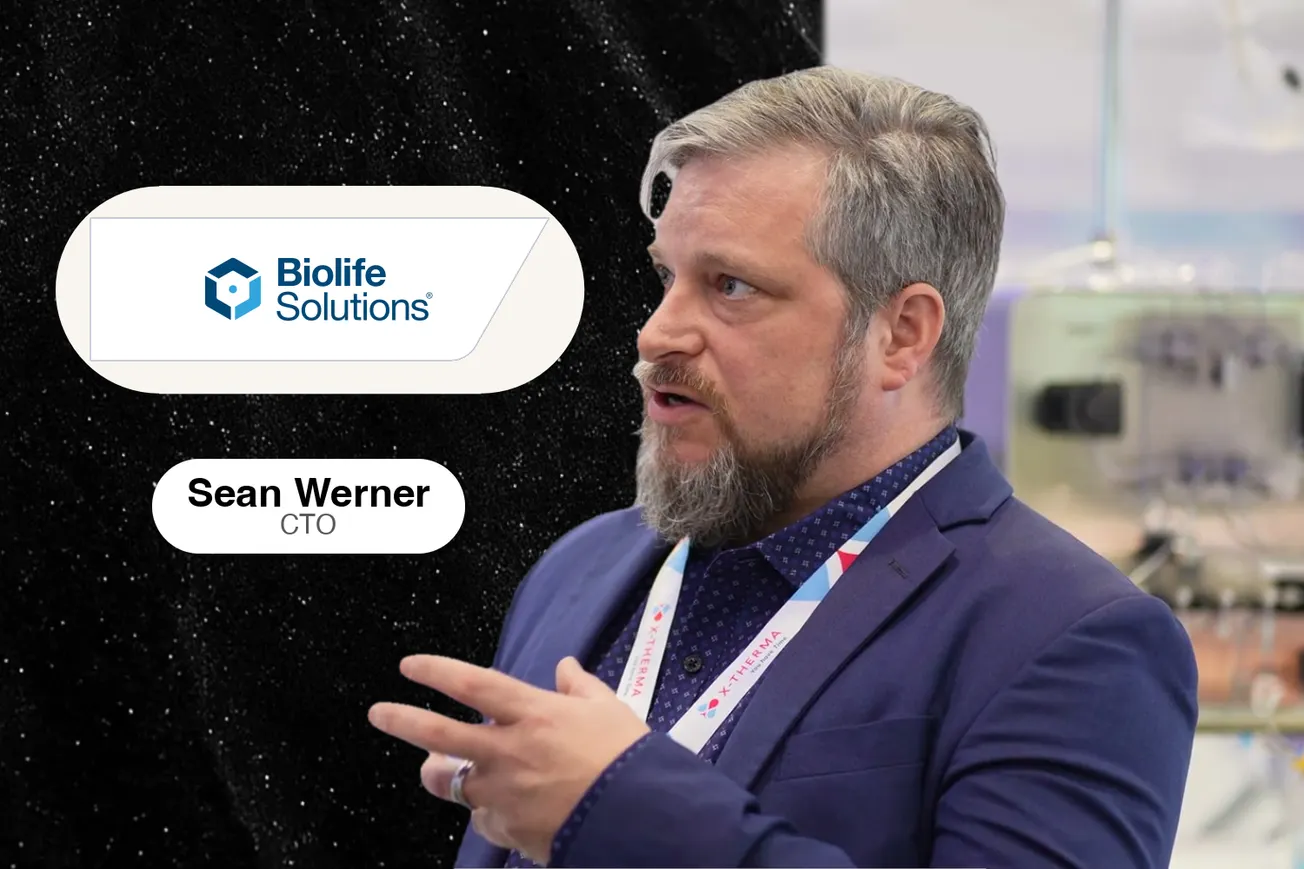
Most cell therapies arrive at the patient frozen – and BioLife Solutions CTO Sean Werner says the field still treats what happens after manufacturing as an afterthought.
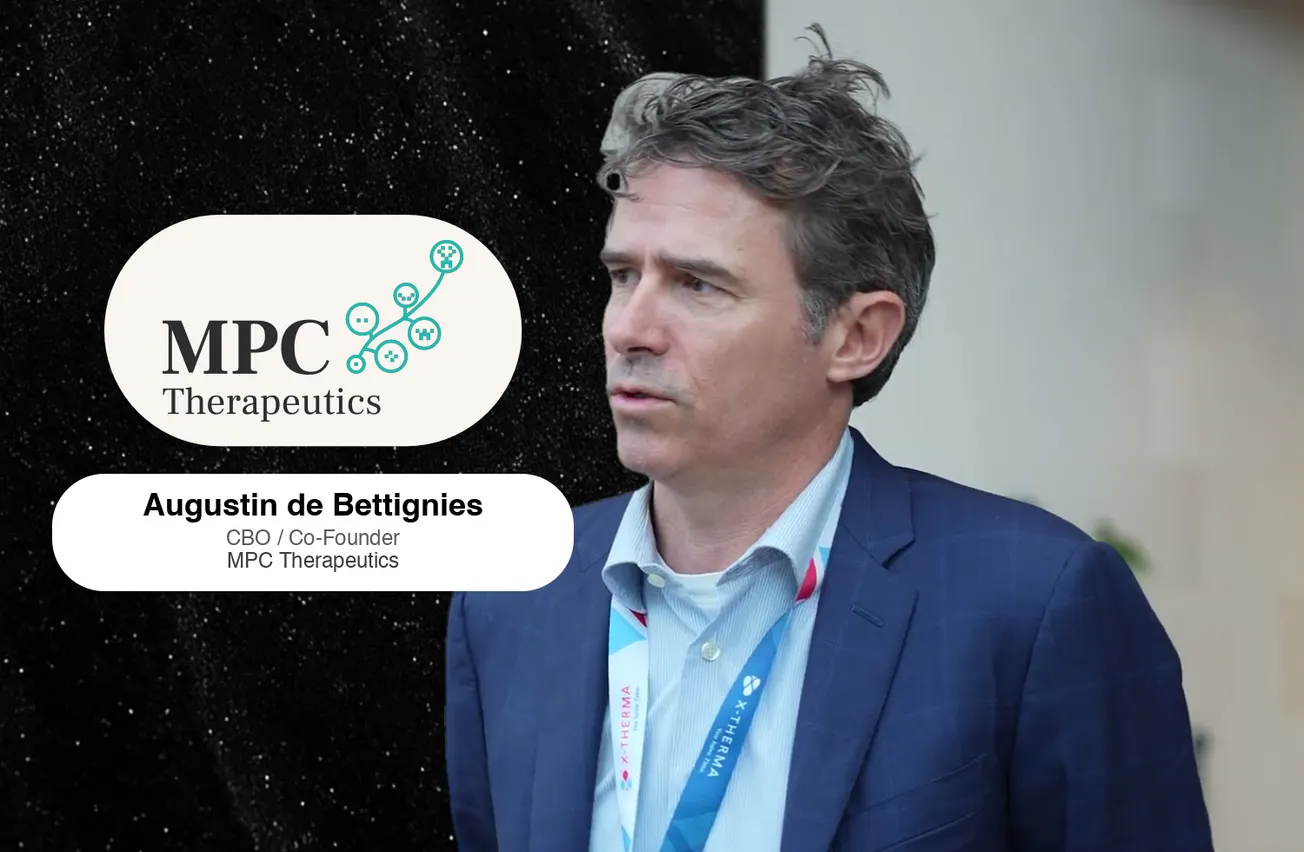
Most of cell therapy fixates on the cell's target. MPC Therapeutics' Augustin de Bettignies says its metabolism — what it burns during manufacturing — matters just as much.
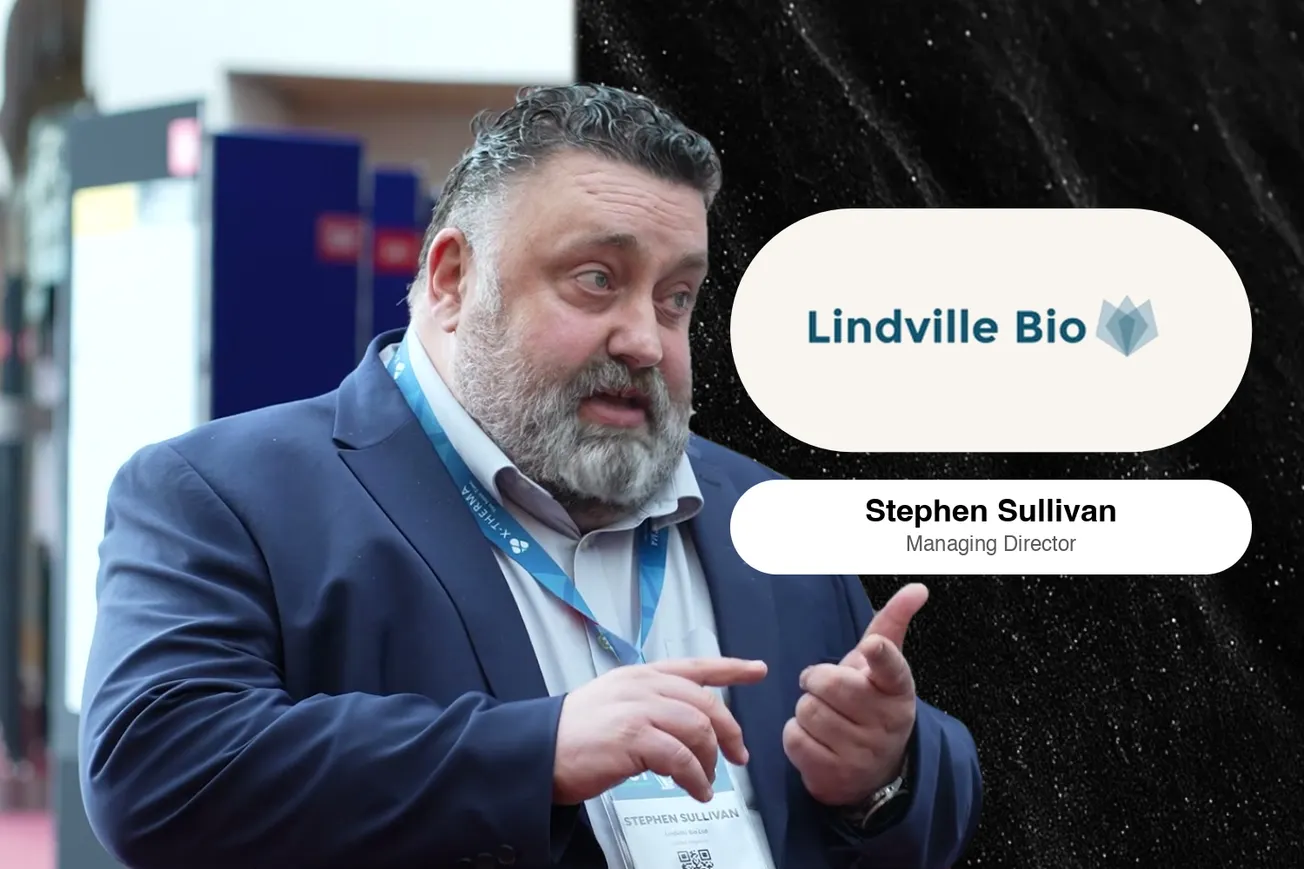
Most cell therapies don't fail at the finish line – they fail at the start, says iPSC consultant Stephen Sullivan. Why early decisions decide late outcomes.
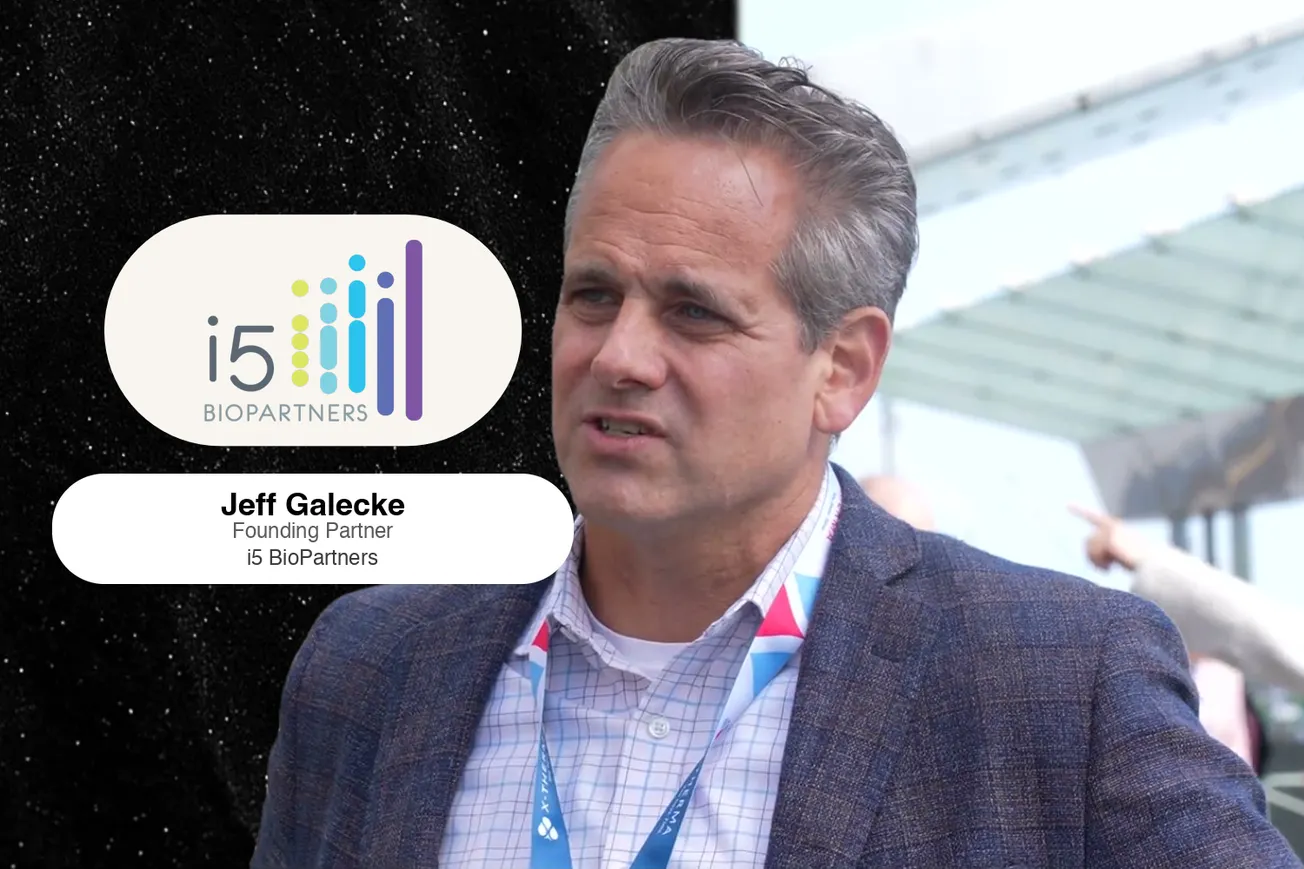
The cell and gene therapy tools companies that scale aren't always the ones with the best technology, says i5 BioPartners' Jeff Galecke – they're the ones that can tell a clear story.
Great science isn't enough to get funded, says investor Sven Kili – only great medicines are. Inside the CGT funding squeeze, and what specialist VCs actually screen for.
Nine years after Kymriah, the first ever CAR-T cell therapy, was approved, around 10,000 patients have been treated. Inside CAR-T’s next decade with co-inventor Bruce Levine.
Cell and gene therapy is having its golden age, says ISCT President Miguel Forte – and is still in adolescence. Inside the field's reshaping priorities.
In cell and gene therapy, the science is rarely the bottleneck – making it at scale is. Inside the Bayer–Charité incubator betting on Berlin to fix that.