

Table of Contents
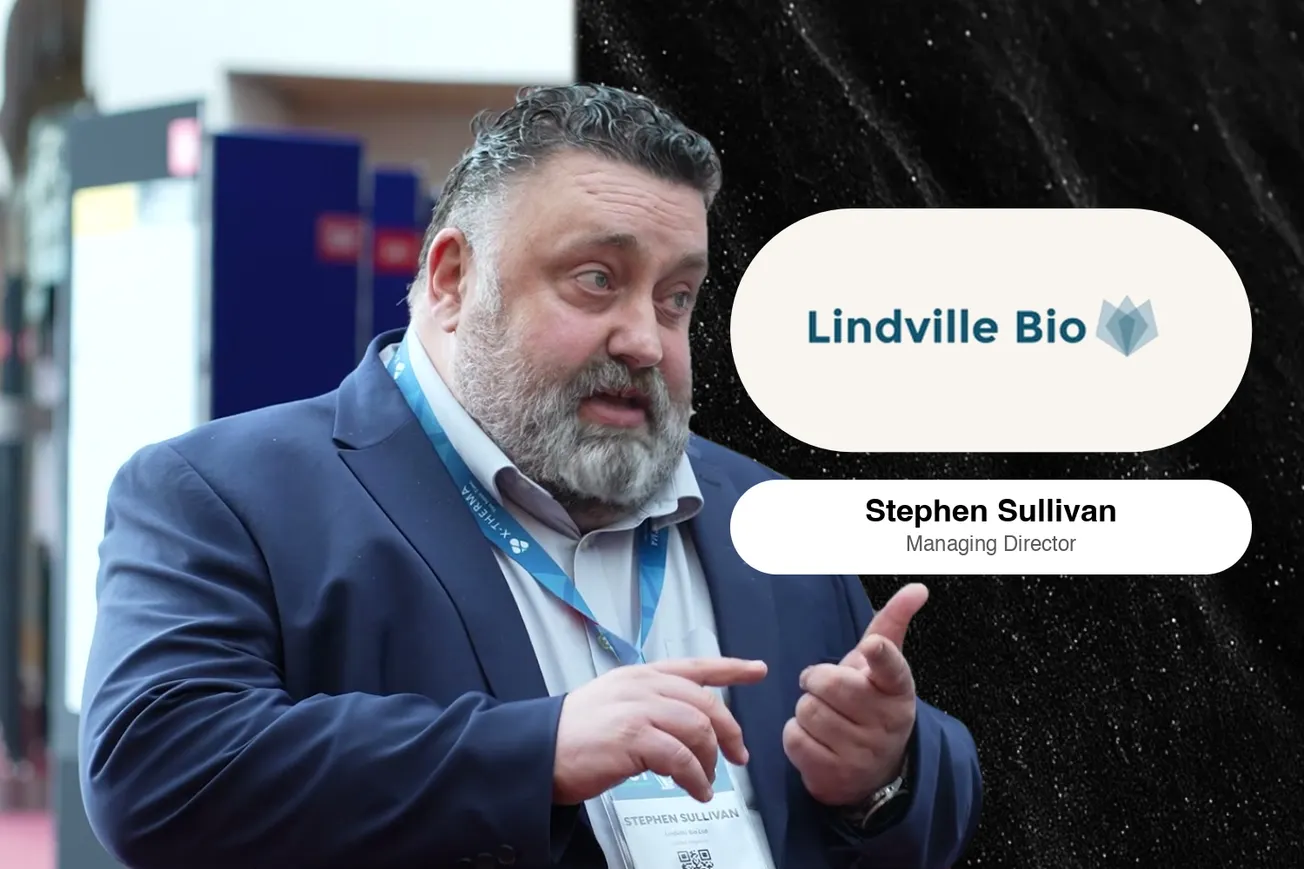
"It takes a village to make a new therapeutic product." Stephen Sullivan has spent more than 20 years working with pluripotent stem cells, and his warning to the field is that most cell therapies don't fail at the finish line – they fail at the start, when an early, wrong decision quietly makes a product impossible to manufacture at scale.
- Induced pluripotent stem cells are both a therapeutic foundation and a research tool: they subvert one of biology's oldest limits – getting enough material to study – and turn patient disease into a "disease in a dish."
- The riskiest moment is the handoff from basic research to translation, where the same words mean different things: discovery rewards novelty, but GMP rewards consistency and a product that is fit for purpose.
- Unlike small molecules, cell therapies can't be sterilised at the end – sterility and quality have to be designed in from the starting material onward, which means doing the hard thinking up front.
- A common trap is assuming expertise in one area transfers to all of them; the people who excel, Sullivan argues, have the humility to build a team around the skills they lack.
- On regulators: their job is not to make the industry thrive but to keep patients from unnecessary risk – and it's developers, not regulators, who are responsible for building a product that is both approvable and commercially viable.
- Failure is a necessary, useful component – as long as it comes early and you learn from it.
Onyx caught up with Stephen Sullivan, Founder and Managing Director of Lindville Bio, at the International Society for Cell & Gene Therapy 2026 Annual Meeting in his native Dublin to talk about iPS cell therapy, why early decisions decide late outcomes, and what the field can learn from brewing Guinness at scale.
With thanks to the International Society for Cell & Gene Therapy for welcoming Onyx Live to Dublin.
Coming up: Cell & Gene Leaders Live, Sun 15 Nov at The Shard · London Life Sciences Week Guide, 15–20 Nov 2026
Comments