

Table of Contents
Changing the mitochondrial energy supply that a cell burns through during manufacturing could significantly change the potential that cell has to become a strong therapeutic.
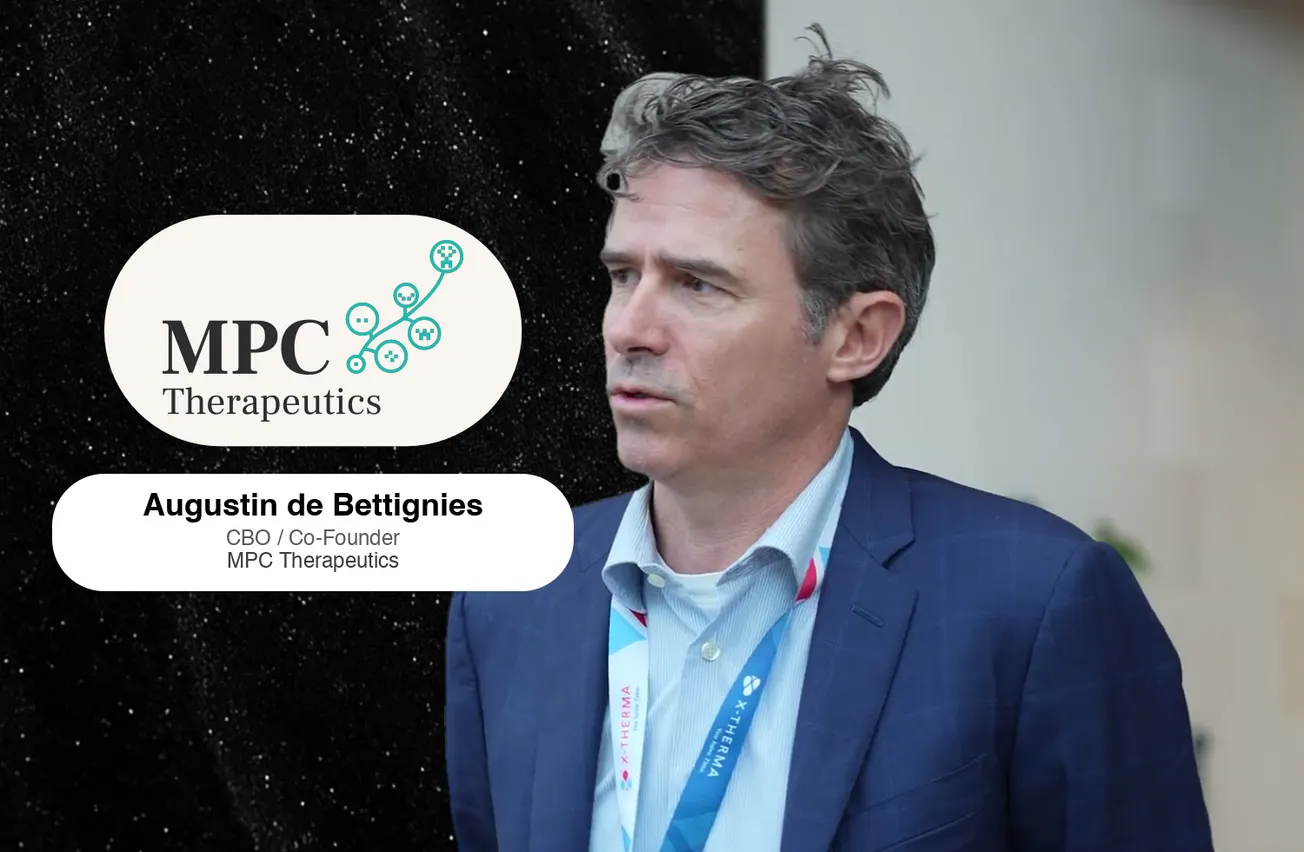
Most of cell therapy's research effort thus far has gone into the cell itself — its target, its receptor, the gene you edit into it. MPC Therapeutics' Augustin de Bettignies is working somewhere less obvious: the metabolism of the cell, while it's still being manufactured.
- MPC stands for mitochondrial pyruvate carrier — the channel that pulls glucose-derived pyruvate into the mitochondria. MPC Therapeutics' small molecules block that entry, forcing cells to reshuffle their energy onto fatty acids and glutamine, and switching on a different set of genes.
- That supposedly leads to greater stemness: MPC inhibition keeps cells in a younger, less-differentiated, more stem-like state — valuable both in regenerative disease and, crucially, in cell-therapy manufacturing, where a less-exhausted product will tend to perform better.
- Their commercial product, MitoStem, pairs the MPC inhibitor with a second metabolism-guiding molecule as an ex vivo "cell-therapy enhancer", i.e. a reagent developers can add during T-cell manufacturing to improve CAR-T durability, quality and yield.
- Focused on T-cells for now (CAR-T and TCR, where all the company's data sits), partners are also evaluating the same mechanism in HSCs, MSCs and bioproduction lines such as HEK and CHO cells.
- The longer term goal is therapeutic development: MPC's origins are in an oral, brain-penetrating compound designed for Alzheimer's, and de Bettignies sees a path toward in vivo use for MitoStem in the future too, since the field is moving toward more in vivo CAR engineering.
Onyx caught up with Augustin de Bettignies, Chief Business Officer of MPC Therapeutics, at the International Society for Cell & Gene Therapy 2026 Annual Meeting in Dublin to talk about why metabolic reprogramming is, in his words, the next frontier in cell biology.
With thanks to the International Society for Cell & Gene Therapy for welcoming Onyx Live to Dublin.

Comments