

Table of Contents
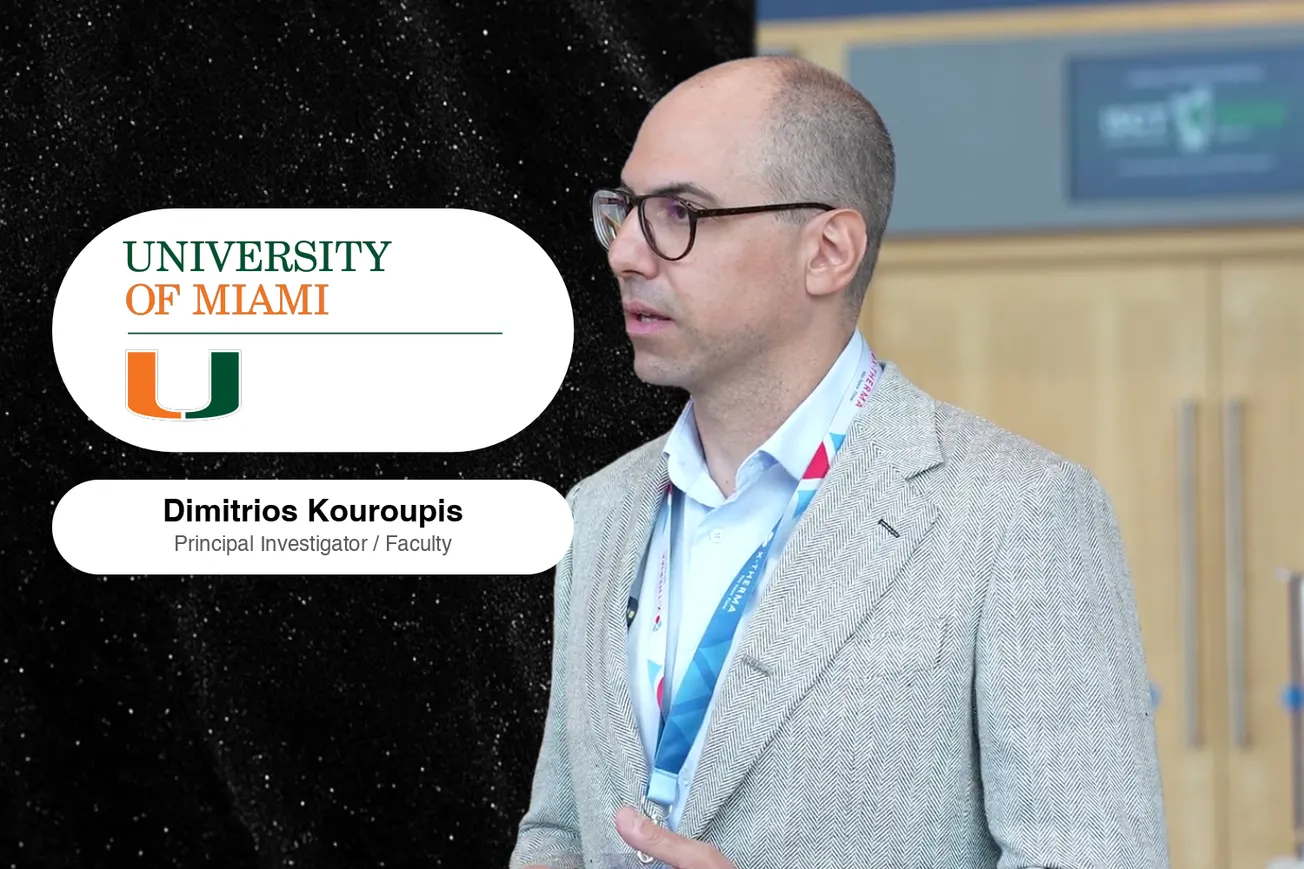
They're often called "cell therapy without the cells" — and University of Miami professor Dimitrios Kouroupis thinks that's exactly right. He studies how exosomes, tiny cell-free vesicles, could deliver the next wave of musculoskeletal medicines and replace the steroids and NSAIDs orthopedics has leaned on for decades.
- Based at the University of Miami's Miller School of Medicine for nearly a decade, Kouroupis runs stem-cell research aimed at reversing musculoskeletal pathologies, connecting orthopedics, pain, inflammation and fibrosis in one programme.
- The unmet need: osteoarthritis and tendinopathy rely on steroids and NSAIDs with significant side effects, leaving real demand for anabolic therapies that can regenerate cartilage, ease pain and calm inflammation.
- What exosomes are: tiny vesicles secreted by cells and isolated from stem cells, then loaded with therapeutic molecules. Discovered more than 20 years ago, they entered regenerative medicine just five or six years ago.
- Why cell-free matters: delivered as injectable "orthobiologics," exosomes give a local, anabolic and immunomodulatory effect without introducing living cells, and with fewer adverse effects.
- Built for scale: exosomes can be sourced from stem cells in umbilical cord, adipose tissue and bone marrow, or produced continuously from cell lines, so ready-to-use therapeutic doses could reach hospitals worldwide without delay.
- Convincing the skeptics: clinicians are right to be cautious, he says, which is why his work assesses safety first and effectiveness second, explaining the biology and mechanism indication by indication.
Onyx caught up with Dimitrios Kouroupis, Professor at the University of Miami's Miller School of Medicine, at the International Society for Cell & Gene Therapy 2026 Annual Meeting in Dublin to talk about exosomes, orthobiologics and the future of cell-free regenerative medicine.
With thanks to the International Society for Cell & Gene Therapy for welcoming Onyx Live to Dublin.
Coming up: Cell & Gene Leaders Live, Sun 15 Nov at The Shard · London Life Sciences Week Guide, 15–20 Nov 2026

Comments