

Table of Contents
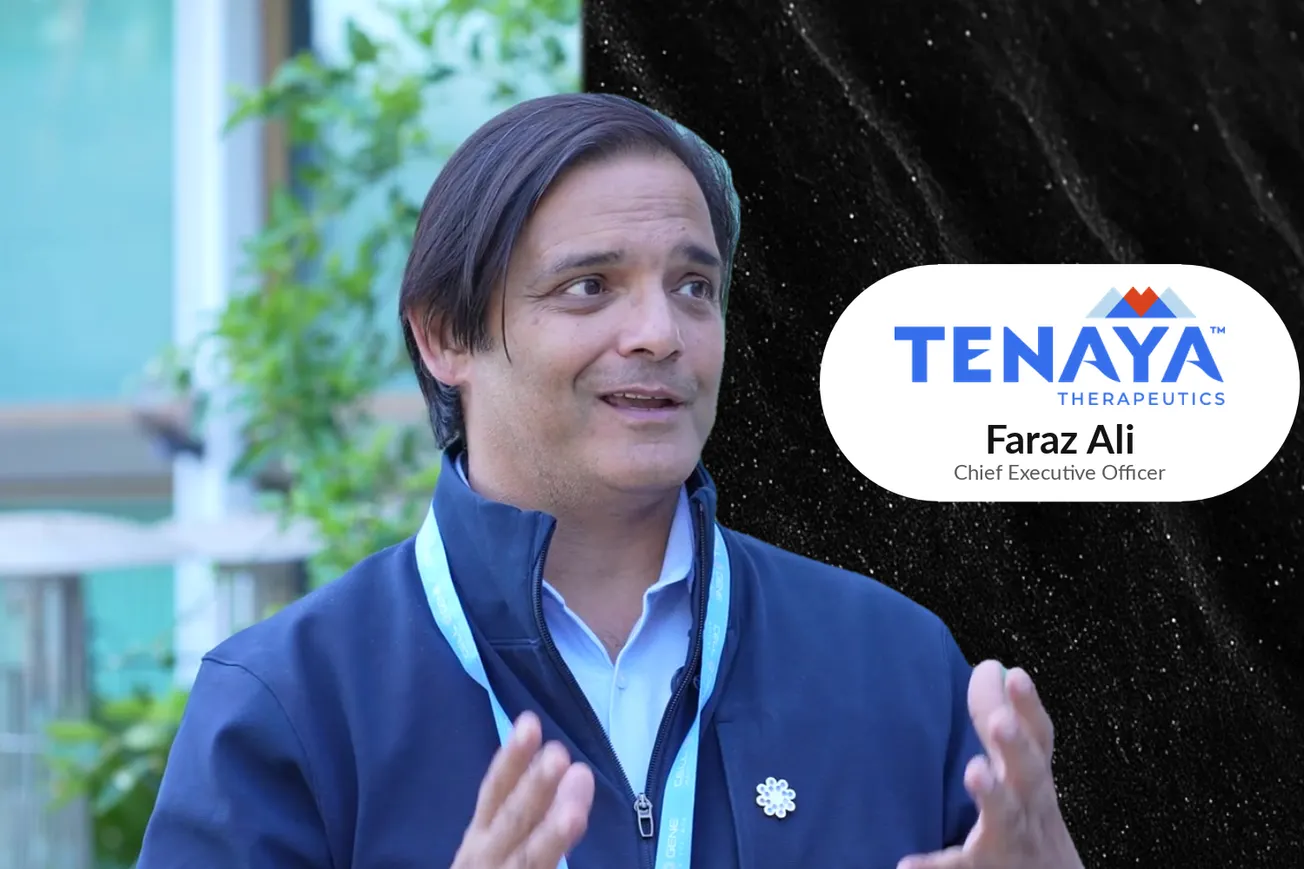
When Onyx caught up with Faraz Ali in Rome, his framing was disarmingly simple: cardiovascular disease is the leading cause of death in the world – more than all of oncology combined – and yet for decades the heart has been treated with one-size-fits-all medicines while oncology has moved to genetically stratified, precision therapies. Tenaya Therapeutics, the San Francisco-based biotech Ali has led for close to eight years, is built on the bet that the heart is next.
Tenaya is deliberately modality-agnostic – clinical-stage gene therapies for the most severe genetically driven cardiomyopathies, alongside small molecules, cardiac regeneration gene editing, and a recent collaboration with Omnium. Its two lead AAV9 gene therapies, TN-201 and TN-401, are both reporting early outcomes never previously seen in the patient populations they target: heart-wall thinning and remodelling in hypertrophic cardiomyopathy, and dramatic reductions in the lethal electrical instability driven by PKP2 mutations. Ali, who also sits on the board of the Alliance for Regenerative Medicine, is one of the field's clearest voices on why cardiac gene therapy has been so hard until now – and what changes when you finally crack delivery and manufacturing scale at the same time.
Watch the full interview above.
At Meeting on the Med 2026, reporting for Onyx, Federico Citterich sat down with Faraz Ali to find out more.
A special thanks to our Onyx Live sponsors:
Cellares - delivering cell therapy manufacturing excellence at scale across a global network of IDMO smart factories https://www.cellares.com/
Coming up: Cell & Gene Leaders Live, Sun 15 Nov at The Shard · London Life Sciences Week Guide, 15–20 Nov 2026

Comments