


Table of Contents
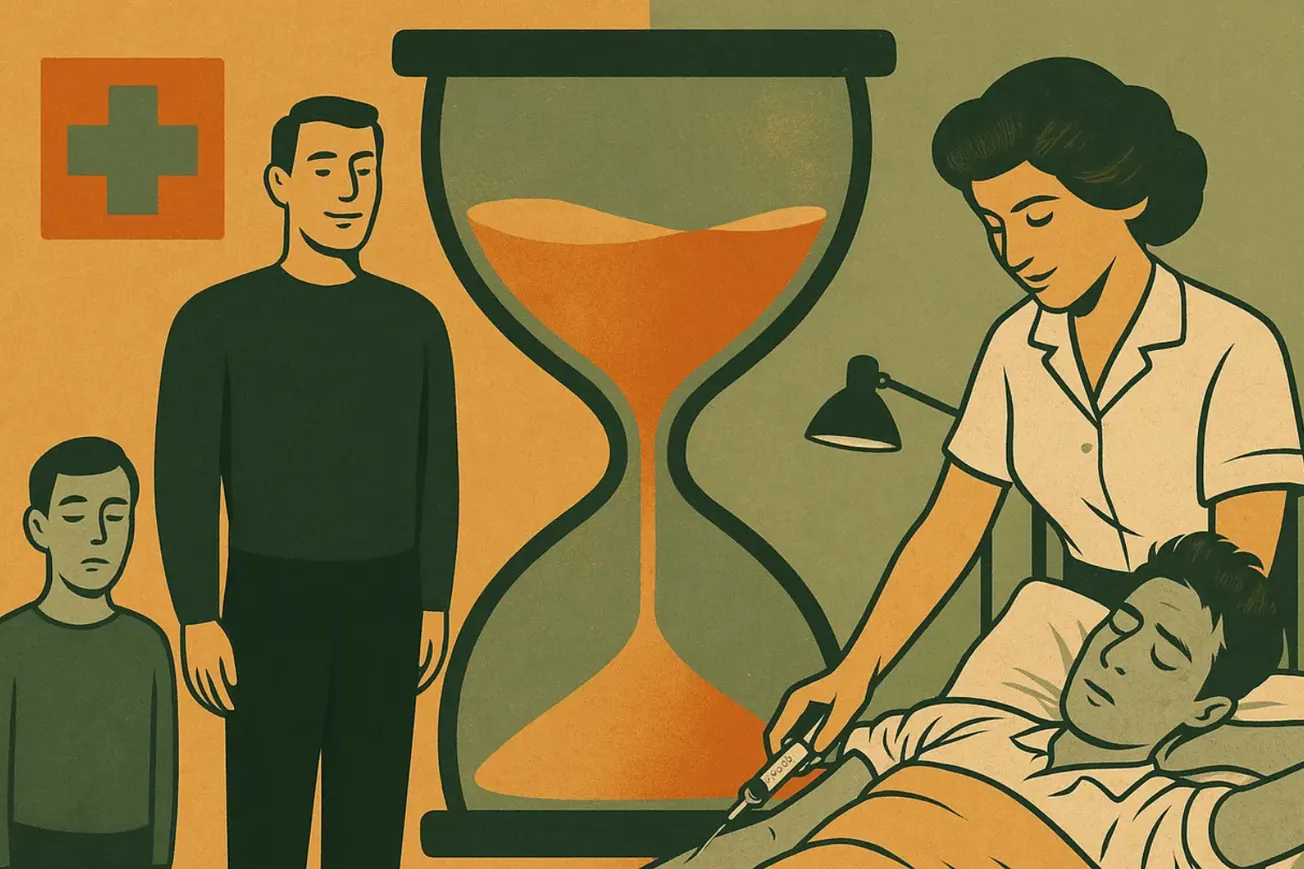
1 in 10 British men cannot remember the last time they visited a GP. [1] This is not a mere statistic but a stark realisation of the public health emergency facing the state of UK healthcare.
Male health-seeking behaviours highlight an entire population disengaged from their own healthcare. Socioeconomic background and minority status bear little relation to that detachment. This silent crisis has been tolerated for far too long, with incidence of prostate cancer rising sharply in the past decade, a trend attributed to delayed presentation, healthcare hesitancy, and a persistent stigma grounded in ‘traditional’ male attitudes.
Yet the November 2025 decision by the UK National Screening Committee (UK NSC) to advise against implementing nationwide prostate screening reflects the neglect towards this health-vulnerable population. [2] The potential of national screening reaches far beyond cancer detection.
Done well, it could reflect a turning point, not just for prostate care, but for the way British men relate to their health altogether. Now is a critical moment for the NHS and Department of Health to embrace this opportunity.
Health avoidance - A learned response?
The statistics depicting male health neglect are not surprising. A 2022 study discovered 65% of men avoid seeking medical attention for as long as possible, dismissing their symptoms until they become uncontrollable. [3]
Rather than dismissing this behaviour as masculine ‘stubborn nature’, it is simply the predictable consequence of institutionalised social conditioning. A societal norm that pairs male vulnerability with weakness and frames seeking help as a failure. From generation to generation, men are taught to endure the discomfort rather than address critical problems.
The result? A population of men presenting with health needs at a later stage of their condition, with poorer prognoses when eventually starting treatment. Not only does this late-stage condition complexity place an undue burden on the individual, their friends and family, but additionally places increased strain on the healthcare system. Neglecting men’s health is as much a systemic failure as it is a personal one.
Introducing a national prostate screening programme would certainly not resolve the problem of end-stage diagnosis with immediate effect, nonetheless, it would offer a consistent, structured and normalised framework to enhance male healthcare engagement, which is an opportunity that is currently lacking.
The hidden burden: Cardiovascular risk and other silent diseases
A single prostate screening appointment is not merely a brief clinical encounter for many men, but perhaps their only significant interaction with healthcare staff for an entire year, or longer. A 2020 study revealed that two in three men recently diagnosed with prostate cancer already had significant cardiovascular disease risk factors, which, in many cases, had gone undetected and unaddressed. [4]
Thus, the hidden cost of male healthcare hesitancy is not solely undiagnosed cancers, but a missed opportunity to intervene on heart disease, diabetes, hypertension and mental health burdens that may, for many men, be quietly building. A well-designed programme, one rooted in holistic assessment, should not concentrate exclusively on prostate outcomes.
Instead, it may act as a gateway to initiate broader lifestyle conversations and utilise the powerful platform of health engagement to explore the hidden conditions from which men may be suffering. The clinical infrastructure for these consultations already exists – all it would take to alter real health outcomes, after a sustained period of healthcare abstinence, is one conversation.
Role models shifting men's behaviour
Public awareness through role models also has the power engage a male population seeking reassurance and relatability. When King Charles III announced his prostate cancer diagnosis in February 2024, the response and ‘call to action’ for many men was immediate and overwhelming. A similar pattern unfolded when Sir Chris Hoy, the British Olympic legend, announced his terminal prostate cancer diagnosis in October 2024.
Visits to the NHS prostate cancer symptoms page soared by over 15,000 in just 48 hours. [5] Unlike government campaigns, clinical guidelines and public health interventions, the connection built between the King, Sir Chris and their male counterparts across the U.K. offers a powerful reminder that engrained medical stigmas in modern society have the potential to be dismantled by respected figures who are willing to openly engage about their own vulnerabilities.
Such powerful messaging channels must be harnessed to ensure sustainable prostate cancer strategies. Breast cancer awareness campaigns are hugely successful, promoting bold, visible and emotional empowerment led by public figures. Following the launch of the 2025 UK breast screening campaign, over 30,000 people visited the NHS breast screening website within one week. [6] There is no credible reason why prostate health cannot achieve the same.
The case for national prostate screening has never been stronger. But it is not simply about detecting cancers earlier. Whilst implementing such a programme would feasibly save thousands of lives annually, the healthcare system must also acknowledge that efforts must be made to sustainably engage men with the healthcare system.
In an ageing population facing increasing healthcare burdens, we must definitively close the chapter on healthcare hesitancy. The tools to achieve this are within reach, and with a public mood still galvanised by valiant public role models, political will and decisive intervention must follow.
The public health emergency of men’s health has waited long enough to gain the attention it deserves, and now is the time to fulfil our duty to prevent both avoidable illness and late diagnoses.
References
1. Numan
2. BAUS
3. The Health Policy Partnership
4. Ovid
5. NHS England
6. NHS England
Author: Jack Greenwold is a third-year MBChB medical student at the University of Bristol. He has an academic interest in men’s health, oncology, and applications of artificial intelligence in healthcare, and has published in the British Student Doctor Journal and presented at national conferences.



Comments